
Cashless Aussie shop reveals $25,000 burden amid RBA surcharge crackdown: ‘Not worth the return’
The Australian Restaurant and Cafe Association (ACRA), which represents thousands of hospitality businesses, has warned that 81 per cent of restaurants and cafes currently passing on surcharges would be forced to raise menu prices.
“If surcharges are banned, prices will simply rise across the board,” ACRA CEO Wes Lambert said.
Meals and takeaway prices increased in the 12 months to August.

The sector is battling surging costs and has recorded the strongest annual rise in the past year. CEO of the Australian Restaurant and Cafe Association, Wes Lambert says it’s no surprise.
Pubs, cafes and petrol stations fear squeeze of RBA card surcharge ban
“If the RBA bends to the banks and limits surcharging without fixing merchant fees, it will be the biggest own goal in the history of the payments industry,” said Wes Lambert, chief executive of the Australian Restaurant & Cafe Association (ARCA), which represents thousands of hospitality businesses.
‘Americanisation of our culture’: Tipping frequency, values on the rise in Australia

Australian Restaurant & Cafe Association CEO Wes Lambert said it is completely legal and increasingly commonplace within the hospitality industry.
New move that could be a ‘death blow’ to Aussie businesses

The Australian Restaurant and Cafe Association (ARCA) said a four-day work week would slash productivity and take a toll on hospitality businesses, especially in CBD.
“We can’t cram service into fewer days,” ARCA CEO Wes Lambert said in a press release.
He said “a blanket four-day rule” would be “a death blow for CBD cafés already struggling” as one in 10 currently face closure.
Payments giant warns RBA card surcharge ban will cost shoppers $1.5b

Wes Lambert, the chief executive of the Australian Restaurant and Cafe Association, said 81 per cent of his members surcharged and an “overwhelming majority” confirmed they would pass on merchant fees through higher prices.
“There is no margin to spare,” Lambert said. “There won’t be any savings, only added expenses and more restaurants and cafes shutting their doors in 2026 and 2027.
Jacinta Allan’s work from home plan: All your questions answered

Australian Restaurant and Cafe Association chief executive Wes Lambert argued the proposal would only divide workplaces.
“This announcement today simply defies reality and only demonstrates the lack of understanding the current government has on how our economy works,” he said.
Australian hospitality industry faces 48,000-worker shortage crisis as lazy workers fail to turn up
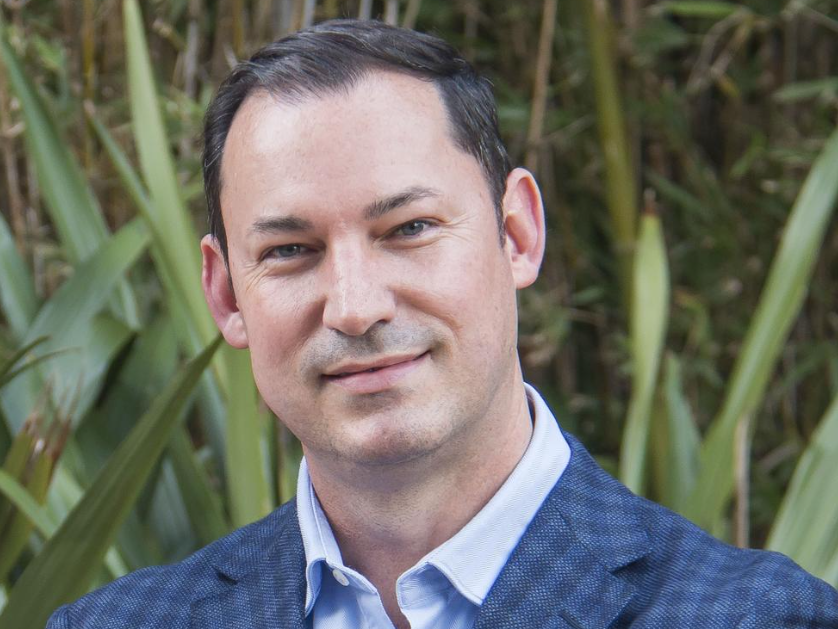
Australian Restaurant & Cafe Association chief executive Wes Lambert said the industry was “drowning”.
“The hospitality industry relies primarily on temporary workers, working holiday makers and international students to fill open roles,” he said.
“The borders have been effectively shut or nearly shut with caps on working holiday makers and international students.”
Restaurants, building firm insolvencies remain high
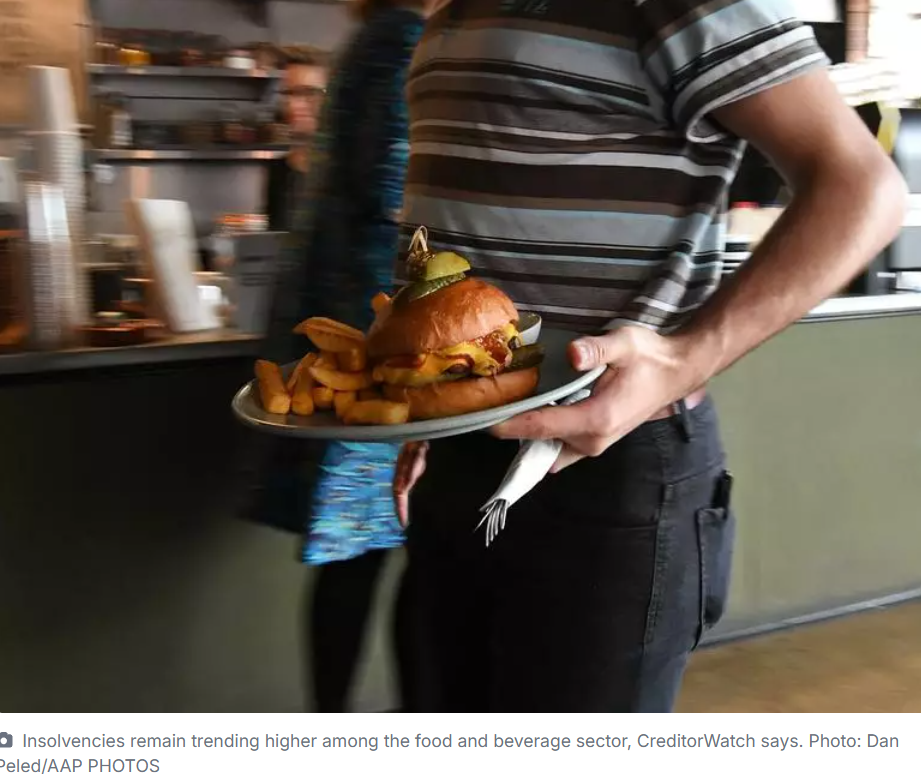
Australian Restaurant and Cafe Association CEO Wes Lambert said it was no longer a case of if a hospitality business would close, but rather which one would shut it doors.
“It’s a real threat for many businesses in the hospitality industry, especially those in CBDs with work-from-home now fully enshrined into employment culture, and with tourism remaining at levels not seen since 2016,” he told AAP.
Proposed card surcharge ban slammed
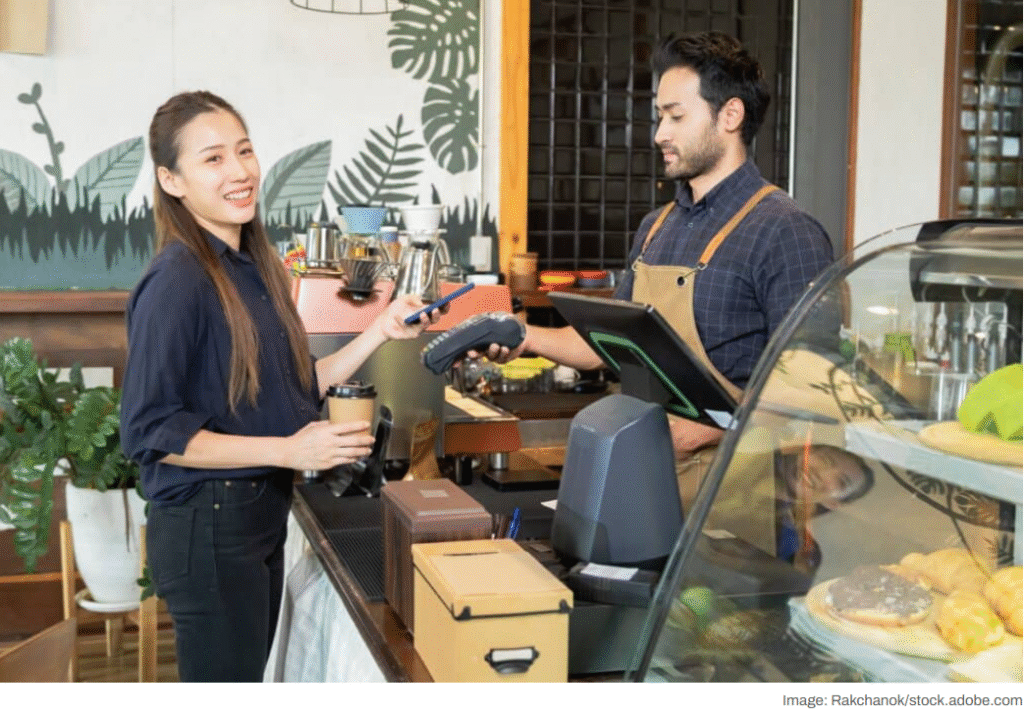
The RBA says should the proposal in its current form be enacted, it would save consumers $1.2 billion per year. However, the CEO of the Australian Restaurant & Café Association (ARCA) Wes Lambert says, should the proposal go through, it will raise costs rather than cut them.
“We’re a bit confused, because the RBA is proposing this change is going to save consumers $1.2 billion and that they’re going to be cutting the costs of hospitality businesses. For us, both of those things are as far from the truth as humanly possible,” says Wes.
“It might be saving consumers $1.2 billion in surcharges, but even the RBA has said these charges should be embedded into the price of the item – if they are not already.
“The price of the item is going to go up to cover the cost. Since we don’t have six or eight cent coins, people are now going to be paying at least $5.10 for a cup of coffee that previously cost them $5.08 with the surcharge.”